East Side vs West Side Manhattan Explained
Fifth Avenue is Manhattan's key East/West address divider, but choosing between the East Side and West Side is really a neighborhood and route decision. Transit, parks, avenues and the destination itself matter more than a simplistic rivalry.
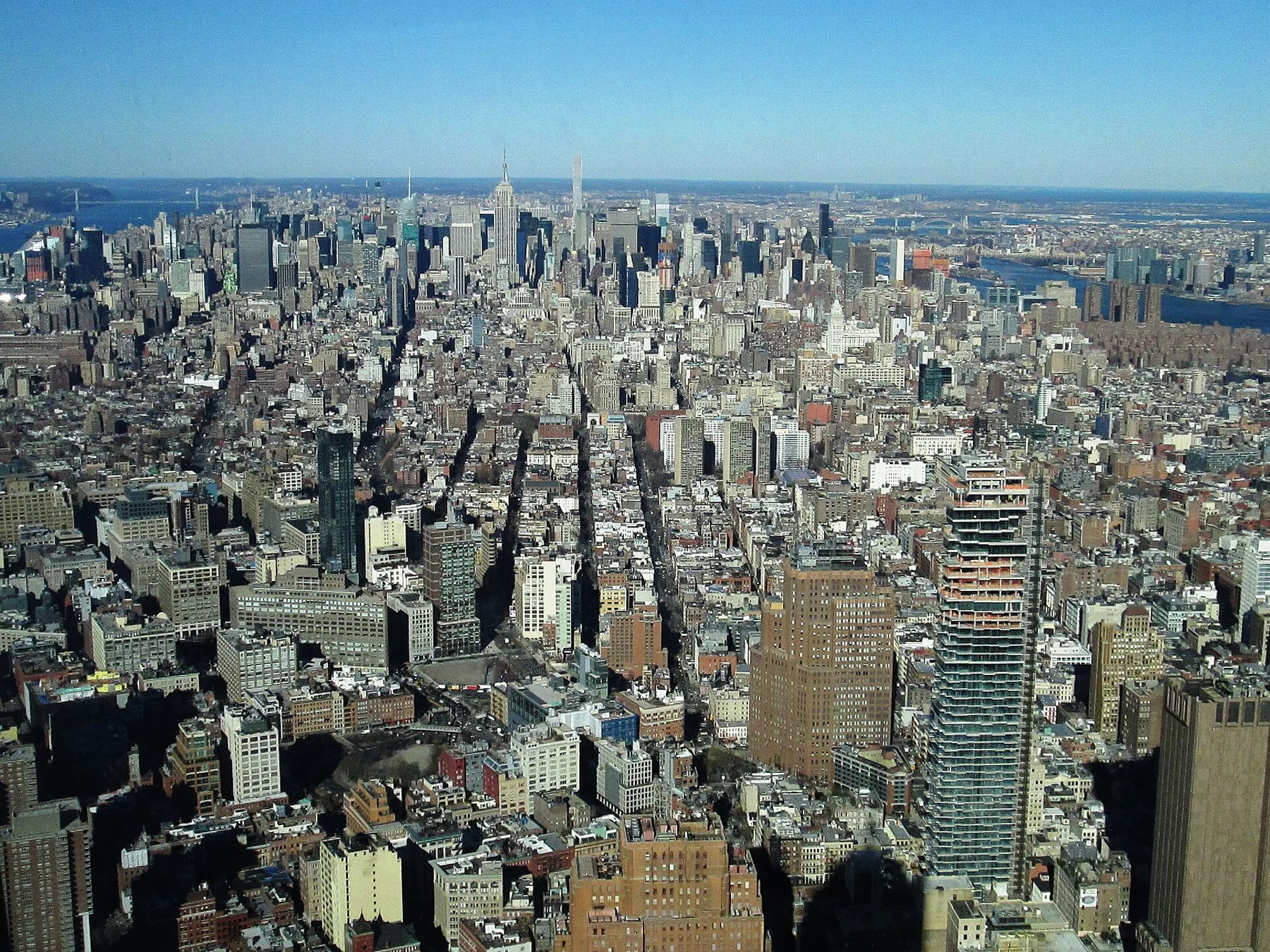
Image: Beyond My Ken · CC BY-SA 4.0

Start with the address rule: Fifth Avenue divides East and West
NYC Department of Transportation material describes Fifth Avenue as the dividing line between East and West street addresses in Manhattan. On numbered streets, that gives you an immediate navigation clue: East 42nd Street lies east of Fifth Avenue and West 42nd Street lies west of it.
NYC Taxi and Limousine Commission driver guidance adds an important downtown nuance: in Midtown, Fifth Avenue is the practical East/West divider, while Broadway becomes a key dividing reference in Downtown Manhattan. That is another reason not to force the Midtown grid onto the oldest part of the island.
East Side and West Side are broad orientation labels
The labels are useful, but they contain many neighborhoods. Upper East Side, East Harlem, Murray Hill and the East Village do not offer one uniform “East Side experience.” The same is true of the Upper West Side, Hell's Kitchen, Chelsea, Greenwich Village and other west-side areas. Choose a neighborhood first when the character of the trip matters.
The park changes how the two sides connect uptown
Central Park creates a large physical separation between the Upper East Side and Upper West Side. A destination that looks close east-to-west may require a crosstown bus, subway connection or a substantial walk around or through the park. This makes “which side?” especially important when several museums, meals or appointments are scheduled on the same day.
Midtown crossings are easier to understand by avenue
In Midtown, Fifth Avenue is a clean mental anchor. Destinations around Lexington, Park and Madison avenues are east of it; Sixth, Seventh, Eighth and Ninth avenues pull you west. But walking effort depends on the actual avenue gap, traffic signals and crowds. “Same Midtown” does not guarantee a short crosstown transfer.
Downtown is less symmetrical
Below the strongest numbered grid, street names, diagonals and neighborhood boundaries matter more. The Lower East Side and Tribeca are both downtown, for example, but they sit on opposite sides of the island and solve very different itinerary needs. Use the neighborhood name and actual route rather than only “east” or “west.”
Which side is better for a visitor?
There is no universal winner. The better side is the one that reduces unnecessary crosstown travel around the places you actually want to visit. If most of your anchors are on Museum Mile and the East Side, staying or dining nearby can simplify the day. If your plans cluster around Lincoln Center, the Upper West Side, Chelsea or Hudson-side destinations, a west-side base may be more efficient.
Use East/West as a coordinate, not a personality test
The strongest planning method is practical: mark your must-do destinations, note which side of Fifth Avenue or Central Park they occupy, then group nearby stops. Manhattan's sides help you orient yourself; its neighborhoods tell you what the day will actually feel like.
Methodology
This article treats East Side and West Side primarily as navigation concepts rather than making subjective claims that one side is universally better. The Fifth Avenue address-divider statement is anchored to current NYC DOT material, with NYC TLC driver guidance used for the Midtown and Downtown orientation distinction. Neighborhood and itinerary advice is deliberately framed as route planning, not as a legal boundary system or a ranking of residents, culture or quality.