Accessible Manhattan: Practical Places to Start
Accessibility in Manhattan is venue-specific. These starting points are limited to active listings that currently carry a wheelchair-accessible entrance signal, then paired with official accessibility information so readers can verify entrances, restrooms, seating, mobility aids and transit before visiting.
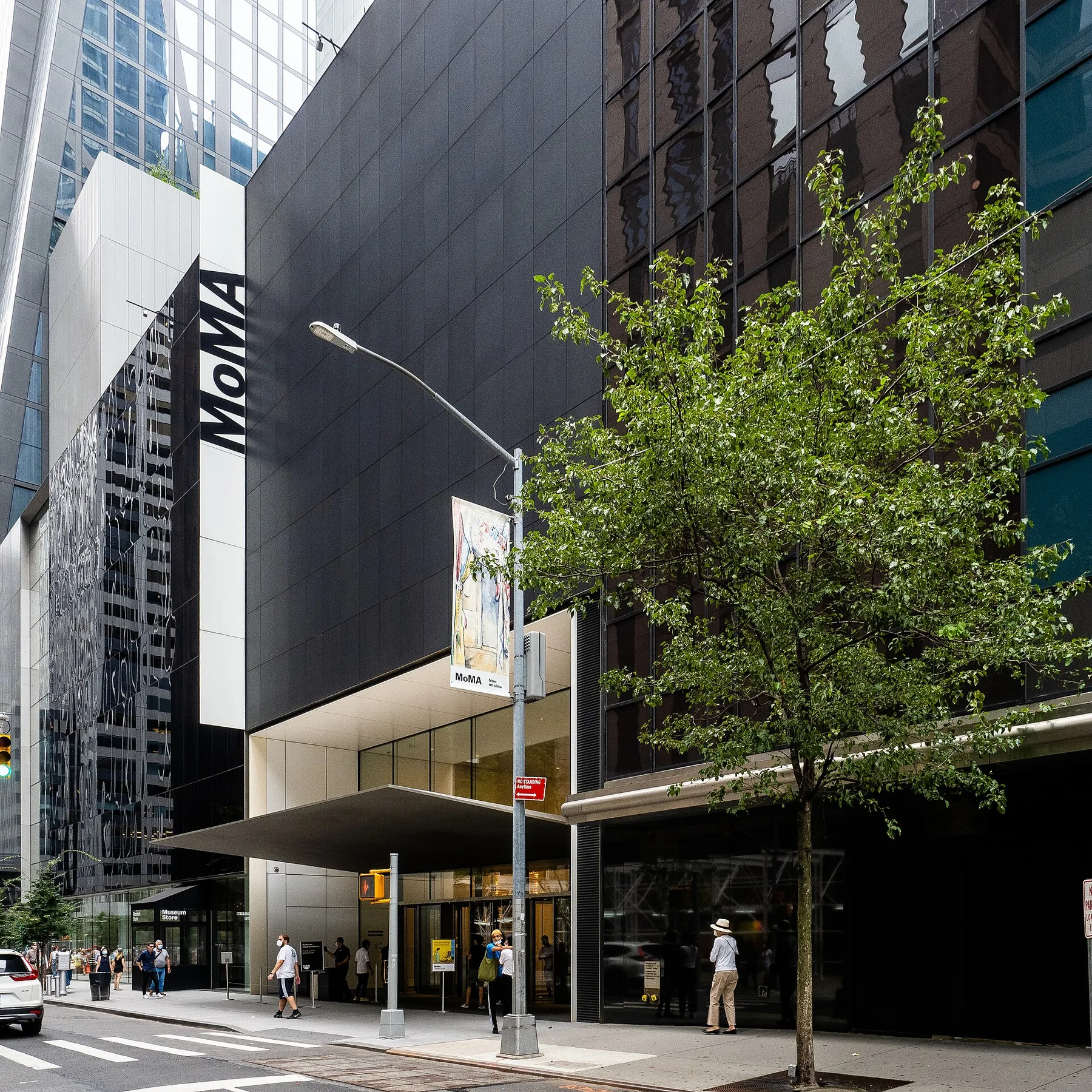
Image: ajay_suresh · CC BY 2.0

Accessibility needs more detail than a single badge
A listing marked wheelchair accessible is useful, but it cannot answer every access question. Entrance slope, elevator routing, restroom configuration, seating, sensory conditions, hearing assistance, service-animal policy and the accessible subway route can all matter independently. This guide therefore uses the directory signal only as the first gate: every selected place currently carries a Wheelchair accessible entrance signal, and readers are directed to current first-party access information for the details that affect their visit.
Large museums often publish the strongest planning information
The Metropolitan Museum of Art, MoMA and the American Museum of Natural History all appear because their active directory records currently indicate wheelchair-accessible entrances and the institutions publish dedicated visitor-access information. That combination is more useful than simply calling a museum “accessible.” For example, an accessible entrance may be on a different street from the most recognizable facade, and a nearby subway station may not itself be step-free.
MoMA's current accessibility information describes wheelchair-accessible galleries, entrances and facilities, wheelchairs and rollators, accessible restrooms, seating resources and sensory tools. The American Museum of Natural History publishes specific step-free entrances and explicitly notes that the 81st Street B/C station is stairs-only, with the closest accessible subway option elsewhere. Those details show why the last mile between transit and a venue belongs in the plan.
Grand Central is useful when the terminal is already on your route
Grand Central Terminal's current listing carries accessible-entrance, restroom and seating signals. Its official visitor information also describes public elevators and ramps. That makes it a practical Midtown anchor for a traveler who already needs the terminal, but accessibility inside a transportation complex can depend on the platform, concourse and service being used. Check MTA or Metro-North information for the specific journey rather than assuming the landmark's general access features describe every rail path.
One World Observatory provides a Lower Manhattan option
One World Observatory gives the guide a downtown ticketed attraction whose listing currently signals wheelchair-accessible entrance, restroom and seating. As with any timed attraction, admission procedures, companion policies and elevator operations can change. Treat the directory signal as qualification for this shortlist and the venue's current accessibility or contact information as the final authority before a special trip.
Chelsea Market works as a flexible indoor stop
Chelsea Market currently carries wheelchair-accessible entrance and restroom signals in the directory. It fills a different role from a museum: food and browsing can be adjusted around the user's energy level and schedule rather than requiring a multi-hour visit. Individual tenants may still have different counter heights, seating layouts or queue conditions, so the building-level signal should not be extended automatically to every business inside it.
Plan the route around the least flexible requirement
If step-free transit is essential, start with the accessible station and route rather than choosing the attraction first. If a companion-care restroom, wheelchair rental, assistive listening or a low-sensory environment matters, verify that feature on the venue's current accessibility page. A Manhattan day can be geographically compact and still be difficult if one transfer, entrance or restroom breaks the access chain.
What this guide does not certify
Manhattan NYC does not independently audit these properties for ADA compliance. The stored accessibility attributes are source signals and can become stale. The page does not guarantee that elevators are operating, every floor is reachable, every restroom fits an individual's needs or the route from street to destination is barrier-free. Readers should contact the venue directly when a specific accommodation is critical.
Editorial method
Every selected business must be active, have coordinates and contain the exact structured signal ‘Wheelchair accessible entrance’ in Manhattan NYC's stored listing data. The final shortlist favors high-use visitor anchors with first-party accessibility information and geographic spread rather than sorting by rating. The qualification signal is deliberately narrower than a claim of full accessibility. Venue-specific entrance, restroom, seating, mobility-aid, sensory and transit details remain time-sensitive and should be verified on current official pages before a visit where an accommodation is essential.
Editor-selected options
These are not automatic rating winners; each selection answers a different practical need.

The Metropolitan Museum of Art
Best for: Museum Mile with published access planning
The Met's listing currently carries accessible entrance, restroom and seating signals; use the museum's current accessibility information to identify the entrance and accommodations that fit your visit.
1000 5th Ave New York, NY 10028

The Museum of Modern Art
Best for: A Midtown museum with detailed accessibility resources
MoMA currently signals wheelchair-accessible entrance, restroom and seating, and its first-party access page adds mobility aids, sensory resources and service-animal guidance.
11 W 53rd St New York, NY 10019

American Museum of Natural History
Best for: Upper West Side museum planning
AMNH currently carries multiple mobility-access signals and publishes specific step-free entrances, which is especially important because the nearest named subway station is not the best accessible transit option.
200 Central Prk W New York, NY 10024

Grand Central
Best for: A central transportation and architecture stop
Grand Central currently signals accessible entrance, restroom and seating; verify the exact rail or subway path because terminal access does not automatically describe every platform connection.
89 E 42nd St New York, NY 10017

One World Observatory
Best for: A Lower Manhattan ticketed attraction
One World Observatory currently carries wheelchair-accessible entrance, restroom and seating signals, giving the shortlist a downtown option that can be planned around a timed visit.
117 West St New York, NY 10007

Chelsea Market
Best for: Flexible indoor food and browsing
Chelsea Market currently signals wheelchair-accessible entrance and restroom, but individual tenant layouts can vary, so building-level access should not be treated as a guarantee for every counter or seating area.
75 9th Ave New York, NY 10011