Park Avenue Bridge
★★★★★
4.6
|
5 reviews
|
23 views
About
Park Avenue Bridge: A Gateway to New York's Architectural Heritage
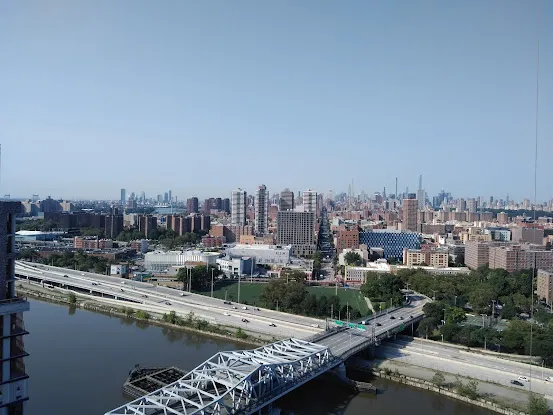
Located in the heart of Manhattan, the Park Avenue Bridge is not just a vital transportation link; it is a significant piece of New York City's architectural and historical tapestry. This bridge serves as a crucial connector between various neighborhoods and plays an essential role in the daily commute of thousands of residents and visitors alike. Its strategic position over the Metro-North Railroad tracks allows for seamless transit options while also providing stunning views of the surrounding urban landscape.
Historical Significance
The Park Avenue Bridge has a rich history that dates back to its original construction in the early 20th century. Designed to accommodate the growing needs of New York City’s transportation infrastructure, it reflects the engineering prowess and aesthetic sensibilities of its time. The bridge was part of a larger initiative to elevate rail lines above street level, thereby reducing congestion and enhancing safety for pedestrians and vehicles. Over the years, it has undergone several renovations to maintain its structural integrity while adapting to modern demands.
Architectural Features
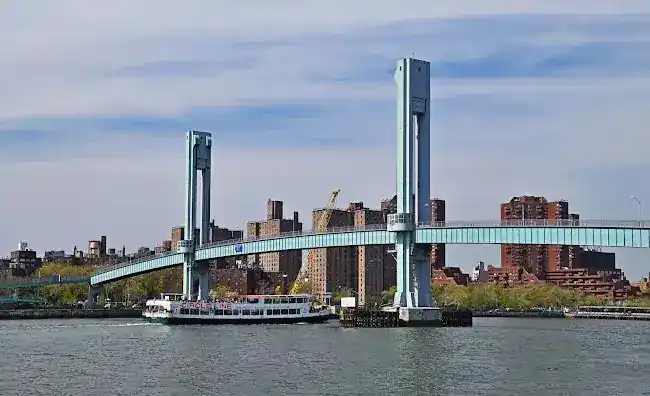
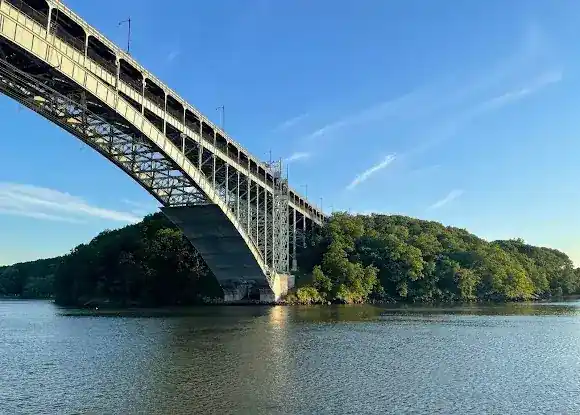
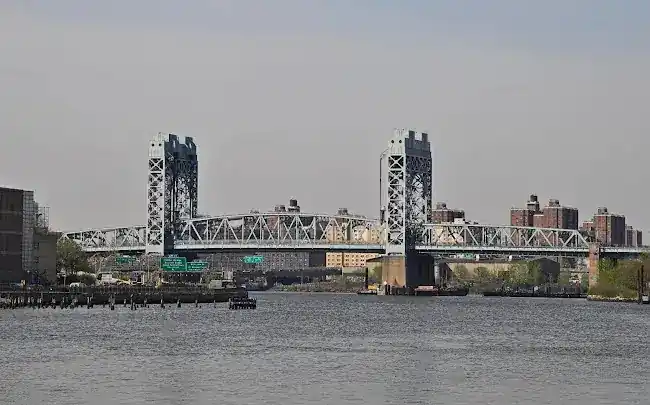
Architecturally, the Park Avenue Bridge showcases elements typical of early 20th-century design, including robust steel trusses and elegant stonework. Its design not only serves functional purposes but also contributes to the visual appeal of Park Avenue, making it a notable landmark within the cityscape. The bridge features wide pedestrian walkways that invite walkers and cyclists to enjoy their journey across this iconic structure. The combination of functionality and beauty makes it an integral part of New York's urban environment.
Transportation Hub
As a critical transportation hub, the Park Avenue Bridge facilitates access to various public transit options, including Metro-North trains that connect commuters to suburban areas. This accessibility is vital for those traveling into Manhattan for work or leisure. The bridge also connects with major bus routes, further enhancing its role as a central point in New York City's extensive public transportation network.
Community Impact
Beyond its practical uses, the Park Avenue Bridge significantly impacts local communities by promoting economic activity in surrounding neighborhoods. Businesses thrive due to increased foot traffic from commuters who utilize this route daily. Furthermore, its presence encourages local development projects aimed at improving infrastructure and public spaces nearby.
Conclusion
In summary, the Park Avenue Bridge stands as a testament to New York City's commitment to innovation in urban planning and architecture. It embodies both historical significance and modern utility, serving as an essential artery for transportation while enriching the cultural fabric of Manhattan. As you traverse this remarkable structure, you are not merely crossing from one side of Park Avenue to another; you are engaging with a piece of history that continues to shape the lives of countless individuals every day.
AUTHORITATIVE SOURCES
Information about historical significance can be found on NYC Department of Transportation.↩
Architectural details are discussed in depth on New York Architecture.↩
Technical Info
Machine ID
/g/11p6hwb1y6
Feature ID
0x89c2f5fcd2808097:0xd34175ffd458338a
Created
04 Jan 2025
Updated
06 Jul 2026