New York State Psychiatric Institute: John Mariani, MD Research Office
Business Details
About
The intersection of clinical psychiatry and academic research often happens behind the scenes—less in public-facing practices and more in specialized offices tied to institutions. Psychiatric research offices serve as hubs for studies that bridge patient care with scientific inquiry, particularly in urban centers where medical innovation and mental health needs collide. Among these is the New York State Psychiatric Institute: John Mariani, MD Research Office, a node in the broader network of psychiatric research connected to Columbia University’s medical ecosystem. Such offices typically focus on clinical trials, neuroimaging studies, or addiction research, though specifics depend on the affiliated physician’s work.
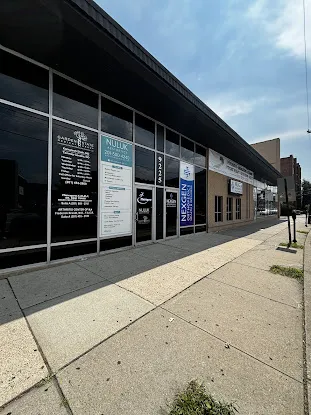
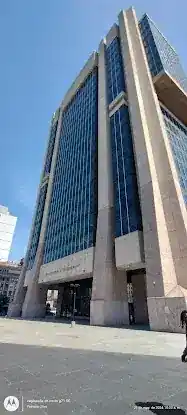
Situated within the Herbert Pardes Building at 1051 Riverside Dr # 66, the office occupies a slice of Upper Manhattan’s medical corridor, where Riverside Drive meets the academic sprawl of Washington Heights. The address places it near the NewYork-Presbyterian campus, a cluster of hospitals and research facilities that anchor the neighborhood’s identity. While the building itself is unassuming—a functional space prioritizing utility over aesthetics—its location reflects the concentration of psychiatric and neurological research in this part of the city. Directions via map confirm the proximity to public transit, a practical detail for participants or collaborators navigating the area.
Research-focused psychiatric offices operate differently than typical clinics; their work often hinges on protocols, institutional partnerships, and participant recruitment rather than walk-in appointments. For logistical questions—whether about eligibility for studies or administrative coordination—the phone line at (646) 609-6771 serves as the primary conduit. The surrounding blocks, lined with prewar apartments and the occasional bodega, contrast with the clinical precision inside these buildings. It’s a reminder that even in a neighborhood defined by its medical institutions, daily life persists just beyond their doors.