New York Conservation Foundation
About
Foundations often operate behind the scenes, but their work shapes the fabric of cities like New York. The New York Conservation Foundation is one such entity—part of the quiet infrastructure that supports environmental and cultural initiatives. Unlike public-facing businesses, its role is less about foot traffic and more about funding, advocacy, and long-term projects that ripple through the region. Midtown’s skyline is dense with corporate offices, yet spaces like this one carve out a different kind of presence.
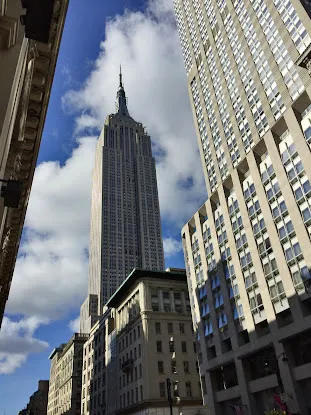
The address at 275 Madison Ave #2010 places it among the towering offices and historic buildings that define this stretch of Manhattan. This isn’t a spot you’d stumble into for coffee or a quick errand; it’s a node for organizational work, where decisions about land preservation, urban sustainability, or heritage programs might take shape. Foundations like this often collaborate with government agencies, nonprofits, or researchers—though the specifics of their partnerships aren’t listed publicly. What’s clear is that the work happens at a systemic level, far from the tourist trails but deeply embedded in the city’s operational layers.
Curiosity about their focus areas? A call to (212) 714-0620 could clarify whether their current priorities align with green infrastructure, policy advocacy, or another corner of conservation. Unlike museums or parks, foundations don’t always broadcast their activities in real time; their impact unfolds over years, through grants, reports, or behind-the-scenes coordination. For those mapping out New York’s less visible networks—of money, influence, and environmental stewardship—this is one coordinate worth noting.
If the address feels abstract, the map grounds it: a high-rise block where suits and briefcases outnumber park benches. It’s a reminder that some of the city’s most consequential work happens in offices, not plazas—quiet, persistent, and easy to overlook unless you’re looking for it. Midtown’s pace doesn’t slow for introspection, but places like this suggest someone’s keeping track of the long view.