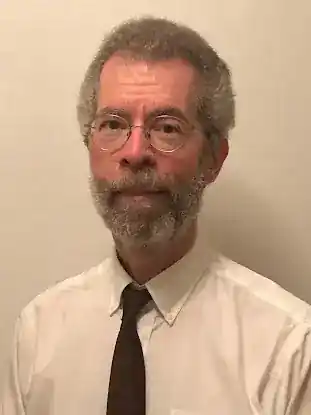
Michelle Lauren Tricamo, M.D.
Business Details
About
The Upper East Side’s quiet stretches between Park and Lexington hold more than just brownstones and boutique cafés. Among the unassuming professional suites, psychiatry practices serve a neighborhood where mental health care is as much a part of routine as morning coffee. One such practice operates at 65 E 76th St Suite 1B, a building that blends into the area’s classic pre-war architecture. This isn’t a clinic with flashy signage or a storefront begging for attention—just a discreet entrance for those who prioritize privacy as much as treatment.
Psychiatry in New York often carries the weight of the city’s relentless pace, but the field itself remains a cornerstone of long-term wellness. Michelle Lauren Tricamo, M.D. is one of the names tied to this address, a psychiatrist whose presence aligns with the area’s mix of established professionals and newer practitioners. The suite includes basic amenities like a restroom, a small but practical detail that matters when sessions run long or back-to-back appointments fill the day. There’s no pretense here—just the framework for clinical work, the kind that unfolds in confidence behind closed doors.
Finding a psychiatrist in Manhattan can feel like navigating a maze of referrals and specialties, but the process often starts with something as simple as a phone call. Questions about approach, availability, or logistics are best directed to (646) 876-1065, where the details—like whether the practice aligns with a patient’s needs—get sorted before the first visit. The Upper East Side’s grid of numbered streets makes navigation straightforward, though first-timers might still appreciate a quick glance at a map to pinpoint the exact block.
New York’s mental health landscape is vast, from hospital-affiliated clinics to solo practitioners in high-rise offices. This particular address doesn’t advertise itself as revolutionary or trendsetting—it’s simply part of the city’s quiet infrastructure of care. Whether someone’s searching for ongoing therapy, medication management, or an initial consultation, the first step is often the same: a name, an address, and the decision to reach out. The rest unfolds in the sessions themselves, away from the noise of the street below.