Jacqueline T. Ferraro DMH
Business Details
About
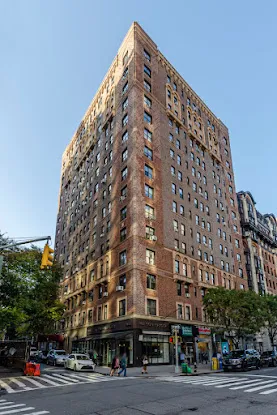
Psychologists in dense urban areas often serve as quiet anchors for the neighborhood—places where the pace of the city doesn’t dictate the rhythm of a session. On the Upper West Side, that role fits Jacqueline T. Ferraro DMH, a practice that keeps its focus on the individual rather than the surroundings. Therapy here isn’t about grand gestures or trendy methodologies; it’s about the kind of steady, attentive work that happens when someone actually listens. The building at 156 W 86th St #1A doesn’t advertise itself with flashy signage, which somehow feels intentional. This stretch of the West 80s still has that slightly bookish, slightly residential charm—coffee shops with dog-eared paperbacks in the window, pre-war facades, the occasional jazz drift from an open apartment door.
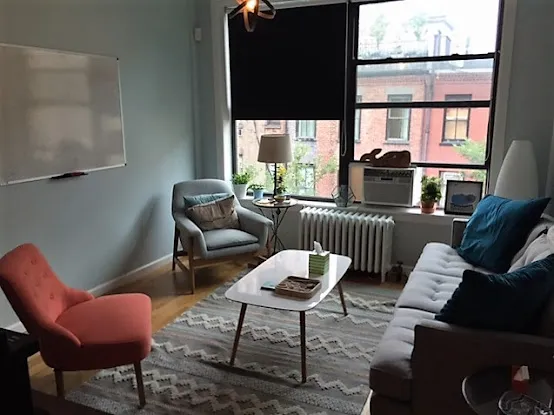
Sessions here cover the spectrum of what people carry into a therapist’s office: stress that’s been mislabeled as “just how things are,” relationships that feel like unsolvable equations, or the low-grade anxiety of living in a city that never stops calculating. Some practices treat mental health like a checklist; this one doesn’t. There’s a restroom on-site—practical, yes, but also a small detail that suggests the space was designed with real human needs in mind. No frills, no wellness-industrial complex jargon. Just a place where the work happens without the distraction of trying to perform relaxation or enlightenment.
Reaching out can feel like the hardest part, especially in a city where everyone’s already stretched thin. A phone call to (917) 757-0802 won’t come with a scripted sales pitch or a three-page intake form before you’ve even spoken to a person. The process stays grounded, which is more than can be said for a lot of therapy experiences in Manhattan. Some practitioners lean into the mystique of their role; others just get to the point. This one falls into the latter camp—not because it lacks warmth, but because it respects the fact that you’re likely calling for a reason, not an aesthetic.
The entrance is on 86th between Amsterdam and Columbus, a block that still feels like a neighborhood rather than a tourist thoroughfare. If you’re coming from the 1/2/3 at 86th Street, it’s a five-minute walk past the kind of bodegas that still know their regulars by order. For the map-averse or the directionally challenged, pulling up directions beforehand saves the usual Upper West Side confusion of one-ways and sudden park detours. And if you’ve ever sat on a therapist’s couch wondering why the session feels like an audition for their next self-help book, this might be the antidote.