Dyson Publishing
Business Details
About
Academic publishing operates behind the scenes of scholarly work, connecting researchers with the resources they need to disseminate their findings. Dyson Publishing functions within this space, serving as a department that supports the production and distribution of academic materials. Unlike commercial presses, its role is tied to institutional frameworks—bridging the gap between raw research and formal publication. The logistics of scholarly communication often rely on such specialized units, though their presence isn’t always visible to those outside the field.
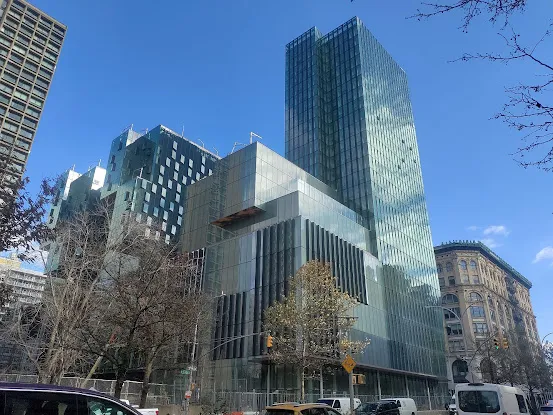
Situated at 161 William St on the 18th floor, the office occupies a slice of Lower Manhattan’s dense academic and professional landscape. This stretch of the Financial District isn’t just about stock exchanges and skyscrapers; it’s also home to quiet corners where educational administration unfolds. The address places it near Pace University’s campus, a detail that hints at its institutional ties without requiring further explanation. For anyone navigating the area’s mix of historic streets and modern towers, the building blends into the urban fabric—unassuming but purposeful.
Coordination in academic publishing often involves more than just editing manuscripts; it extends to permissions, peer review logistics, and distribution channels. While the specifics of Dyson Publishing’s operations aren’t listed publicly, departments like this typically handle the behind-the-scenes work that keeps scholarly journals and monographs moving forward. Questions about submissions, deadlines, or institutional partnerships would logically route through their main line—(800) 874-7223—though the nature of those inquiries would depend entirely on the caller’s role in the academic ecosystem.
Finding the office requires a bit of precision, given its location within a multi-floor building. The map pinpoints the entrance, but first-time visitors might want to confirm floor accessibility ahead of time. Academic departments don’t always advertise their physical presence—their work is more about the pages they produce than the space they occupy.