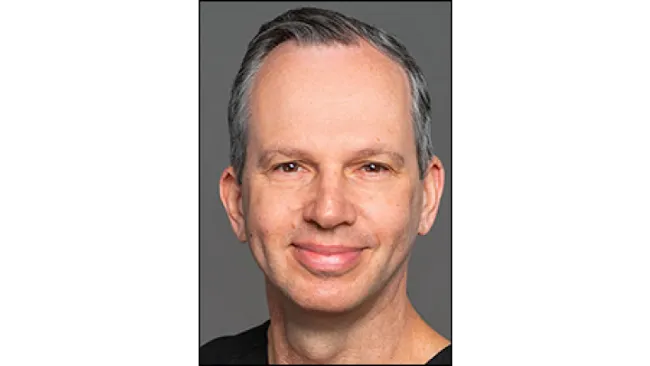
Dr. Seth Lieberman
Business Details
About
Ear, nose, and throat care often bridges the gap between primary physicians and surgical specialists. An otolaryngologist handles everything from persistent sinus issues to balance disorders, offering both medical and surgical solutions. While general practitioners can manage mild cases, complex conditions—like chronic tonsillitis or vocal cord dysfunction—typically require a specialist’s expertise. This is where focused care becomes essential, particularly in a city where seasonal allergies and urban pollutants exacerbate many ENT-related problems.
Dr. Seth Lieberman’s practice is situated at 462 1st Ave, New York, NY 10016, placing it within the dense medical corridor east of Kips Bay. The area is known for its concentration of healthcare providers, making it a practical choice for patients who need coordinated care. Otolaryngology covers a broad spectrum, from pediatric ear infections to adult sleep apnea evaluations, and having a central location simplifies referrals and follow-ups. Many nearby residents and workers rely on nearby specialists to avoid long commutes for routine or urgent appointments.
Beyond standard consultations, otolaryngologists frequently address structural concerns like deviated septums or hearing loss, which may involve diagnostic imaging or minor procedures. Allergies, another common reason for visits, often require long-term management plans rather than one-time fixes. Since ENT issues can affect daily life—impacting speech, breathing, or even sleep quality—access to a specialist can significantly improve outcomes. Patients dealing with recurring problems, such as vertigo or persistent hoarseness, benefit from targeted evaluations that generalists might not provide.
For those coordinating visits, the office can be reached directly at (212) 263-5565. Confirming details or scheduling is best done over the phone, though the map provides exact directions for first-time visitors. This stretch of First Avenue remains one of the city’s busiest for medical traffic, reflecting both the demand for specialized care and the convenience of having multiple practices in close proximity.